If you've tried to buy RAM in Bangladesh this year, you already know the pain. A 16GB module that cost around 6,000 BDT before the shortage hit peaked at over 18,000–20,000 BDT in January 2026. Prices have eased a little since then - but as of July 2026, they're still nowhere close to where they used to be.
This isn't just a local problem. It's part of a global supply crunch, made worse in Bangladesh by a weak currency and heavy reliance on imports. As someone who has watched this market shift over the years, I wanted to break down exactly what's happening, why it's happening, and what you can actually do about it if you need to buy RAM right now.
Why Is This Happening? 5 Key Reasons
At the core, RAM makers are chasing bigger profits elsewhere, and consumer memory is getting left behind. Companies like Samsung, SK Hynix, and Micron have shifted their focus, and countries like Bangladesh that depend on imports are feeling it the most.
1. AI Is Eating the World's RAM Supply
In 2026, data centers are expected to consume around 70% of all memory chips produced. AI companies training large language models and image generators need enormous amounts of high-bandwidth memory (HBM) and DRAM - and they're willing to pay top price for it.
For Bangladesh, this means empty shelves. Local shops report 50–70% stockouts on popular 16–32GB kits, forcing buyers to either pay a premium or wait.
2. Manufacturers Are Cutting Regular RAM Production
Instead of building new factories, chipmakers have simply redirected their existing capacity toward HBM, which sells for about 20 times more per gigabit than standard memory. Consumer-grade DRAM production reportedly dropped 20–30% in late 2025.
The result: global DRAM prices jumped 172% year-over-year. Since about 90% of Bangladesh's RAM comes through hubs like Singapore and Hong Kong, these price jumps hit local importers directly - landed costs are up 40–60% before shops even add their markup.
3. The Switch to DDR5 Caught the Market Off Guard
New Intel and AMD processors (Arrow Lake and Ryzen 9000) no longer support DDR4, pushing everyone toward DDR5. Demand for DDR5 tripled in 2025, but factories still can't produce it fast enough - yields are stuck around 60–70% because it's much harder to manufacture.
In Dhaka's tech markets like Bashundhara City and IDB Bhaban, DDR4 stock has been drying up while DDR5 prices for 16GB kits have jumped 135%.
4. Global Supply Chains Are Under Strain
Trade restrictions (like US export controls on HBM to China), shipping delays near Taiwan and the Red Sea, and disruptions to rare-earth mining in places like Myanmar and Congo have all added friction to the supply chain - and extra cost.
Since about 80% of Bangladesh's RAM arrives by sea, shipments are now facing 4–6-week delays. Stricter customs checks on electronics are slowing things down even further.
5. The Taka Is Losing Value
RAM is priced globally in US dollars, so when the Bangladeshi Taka weakens, imports get more expensive - even if the global price stays flat. The Taka depreciated by 3.28% in early FY25 and then slid further to around 118–120 BDT per USD by January 2026.
Add in Bangladesh's 15% VAT and 5–10% import duties, and you can see why local prices have risen so much faster than global ones.
Laptop RAM Price Trend in Bangladesh
The following comparison shows the estimated price movement of common laptop RAM capacities between January and July 2026.
RAM Type
Capacity
Jan 2026 (BDT)
July 2026 (BDT)
Trend
DDR4
8GB
৳3,500–৳5,000
Around ৳4,000–৳6,000
↔ Roughly flat
DDR4
16GB
৳7,000–৳10,000
Around ৳7,000–৳10,000
● Stable
DDR5
8GB
৳6,500+
Around ৳7,000–৳9,000
↑ Slightly up
DDR5
16GB
৳11,900–৳20,000
Around ৳8,500–৳15,000
↓ Easing down
DDR5
32GB
৳25,000–৳40,000+
Around ৳18,000–৳35,000
↓ Easing down
Note: Prices are approximate and may change depending on RAM speed, brand, warranty, availability, and market conditions.
The good news buried in here: DDR5 prices have actually started to cool off since January. 16GB DDR5 modules at 5600–6000MHz now commonly start around ৳7,000 to ৳8,500 - well below the panic-buying peak seen at the start of the year. Mid-range 8–16GB RAM overall is typically running ৳5,000 to ৳12,000, while high-capacity 32GB-plus or premium DDR5 kits fall anywhere from ৳12,000 to ৳40,000+, depending on brand and speed.
DDR4 remains the steadier, cheaper option and is still the go-to for budget builds, while DDR5 is gradually becoming more mainstream as its prices become more competitive - though it's still the pricier choice overall.
Shops across the market are also updating stock and prices more frequently now, with full catalogs (checked in the first half of July 2026) spanning anywhere from around ৳950–1,500 at the low end (older DDR3 sticks) up to ৳40,000–118,000 at the high end for premium high-speed, high-capacity kits. These wide ranges reflect everything from bargain DDR3 sticks to high-end DDR5 kits - so where you land depends heavily on brand, speed, and capacity.
Bottom line for July 2026: the worst of the DDR5 spike appears to have passed its peak, but prices are still well above where they were before the shortage began, and they can still swing 10–20% week to week depending on stock and promotions - so it's still worth shopping around rather than assuming today's price is fixed.
Why Bangladesh Feels This More Than Other Markets
Because Bangladesh imports almost all of its RAM, it absorbs both the global price hikes and the extra cost from a weakening currency at the same time. Add rising local demand — from gamers, freelancers, and AI-related work - and you get a market with low stock and high prices.
Who's Actually Affected by This?
Gamers and PC builders: a 32GB DDR5 kit now costs about as much as a mid-range graphics card, so upgrades are getting delayed.
Content creators and developers: workstation costs are up sharply, with 128GB setups costing 100–150% more than before.
Small businesses: 256GB server memory (RDIMMs) is becoming hard to find, stalling expansion plans.
The wider economy: software companies are spending 30% more on developer machines, government e-governance projects have seen server costs rise 80%, and university lab upgrades are running about 40% over budget.
Overall, PC sales in Bangladesh dropped by an estimated 15–20% in Q1 2026 due to this.
When Will Prices Come Back Down?
As of July 2026, there's early evidence this is already starting - DDR5 16GB and 32GB kits are noticeably cheaper than they were in January, even if still far above pre-2026 levels. That said, don't expect a full return to "cheap RAM" anytime soon. Most analysts still expect prices to remain elevated through the rest of 2026, with a more meaningful cooldown only likely in 2027 if manufacturers expand DRAM production and DDR5 yields keep improving. A full return to "normal" pricing isn't expected until DDR6 starts entering the picture.
How to Buy RAM Smartly Right Now
You cannot control global chip prices, but you can avoid overspending and compatibility problems by following a few practical buying steps.
1. Stick With DDR4 if Your System Supports It
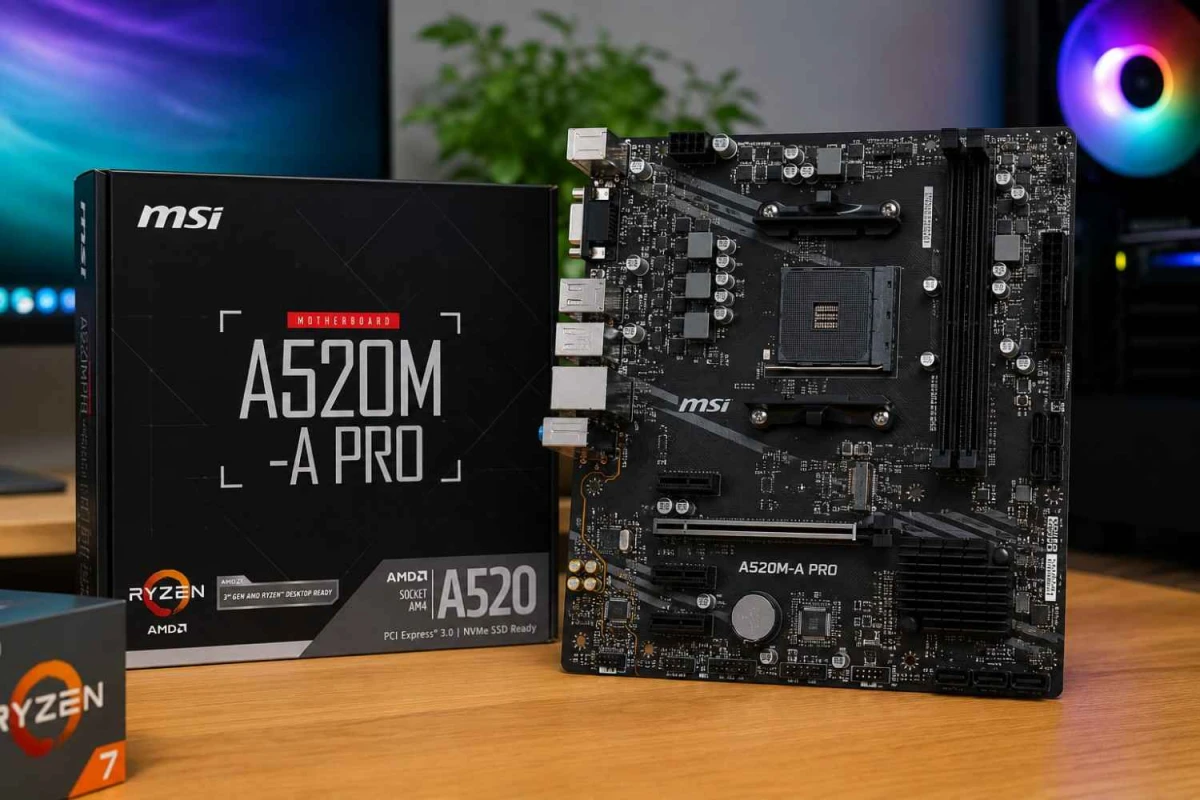
DDR4 is still a practical and affordable option for many existing systems. AMD Ryzen 5000 platforms use DDR4, while Intel 12th and 13th Gen processors may support DDR4 or DDR5 depending on the motherboard. Check the motherboard specification before purchasing.
2. Choose Branded RAM Instead of Generic Modules
Established brands such as Kingston, Corsair, Crucial and G.Skill generally provide clearer specifications, stable performance and better warranty support than unbranded alternatives.
3. Prefer a Matched Dual-Channel Kit
Two matched RAM modules can provide better memory bandwidth than one stick. For example, a 2 × 8GB kit may offer better performance than a single 16GB module when dual-channel operation is supported.
4. Buy From a Trusted Seller With Warranty Support
Purchase RAM from an established computer retailer such as Ryans and confirm the warranty period before paying. Test newly installed memory early so any faulty module can be identified within the return or replacement period.
5. Double-Check Compatibility Before Buying
Confirm the DDR generation, module type, maximum capacity, supported speed and voltage from the laptop or motherboard specification. Desktop RAM and laptop RAM also use different physical module sizes.
6. Buy the Capacity You Actually Need
For browsing, office work and everyday multitasking, 16GB is a practical starting point. Gaming, editing and heavier multitasking may benefit from 32GB, while 64GB is generally intended for demanding professional workloads.
7. Plan for Future Upgrades
Check how many memory slots your system has and how many are already occupied. Leaving an available slot can make a future capacity upgrade easier and more affordable.
8. Compare Specifications, Not Only Prices
Compare products with the same capacity, DDR generation, speed, latency, voltage and warranty. A cheaper RAM module may not offer the same compatibility or performance as another model with similar capacity.
9. Be Careful With Used RAM
Used RAM may reduce the cost of a secondary computer, media system or home server. However, test the module carefully and avoid using it in an important work system unless return or warranty support is available.
The Bottom Line
RAM prices in Bangladesh are influenced by global demand, component supply, exchange rates and the transition from DDR4 to DDR5. The safest approach is to check compatibility, choose the right capacity and buy from a trusted seller instead of selecting RAM based only on price.
Frequently Asked Questions
Why are RAM prices increasing in Bangladesh in 2026?
Mainly because of higher global chip production costs, supply chain disruptions, and rising demand for DDR5 memory. Since Bangladesh imports almost all its RAM, global price hikes pass straight through to local buyers.
Is the global semiconductor market responsible for this?
Yes. Chipmakers are prioritizing AI and enterprise memory over consumer RAM, which has reduced supply and pushed prices up worldwide - Bangladesh included.
Does currency matter here?
Yes, a lot. RAM is priced in US dollars internationally, so when the Bangladeshi Taka weakens, even a small currency shift raises local prices noticeably.
Is the DDR4-to-DDR5 shift making things worse?
Yes. DDR5 requires more advanced manufacturing and stricter quality control, which makes it more expensive to produce - and that cost gets passed on to consumers.
Will prices come down soon?
Not in the short term. Prices are expected to stay high through 2026, with only a gradual easing possible in 2027 if global supply catches up with demand.

_1769084140.webp)









Leave a comment