Best AC Buying Guide 2026: Choose the Best Air Conditioner in Bangladesh
Note: We wrote this guide to help you choose with confidence — it's based on advice from Ryans' experts with around 26 years' experience.
The hot and humid climate in Bangladesh makes air conditioners almost essential for comfortable living. Whether it’s for a bedroom, living room, or office, the right AC can make a huge difference in maintaining a cool and comfortable indoor environment during the long summer months. An air conditioner works by removing heat and humidity from indoor air and releasing that heat outside, helping maintain a stable and comfortable temperature inside the room.
However, choosing the right air conditioner is not always simple. Many buyers struggle to decide which AC capacity is suitable for their room, whether an inverter AC is a better option, which brands are reliable, and how much electricity an AC consumes.
Factors to Check Before Buying an AC
Our experts recommend considering the following key factors before buying an air conditioner to ensure efficient cooling, energy savings, and long-term performance:
AC type
room size / tonnage
inverter technology
energy efficiency
coil material
installation space
brand reliability
Understanding these key aspects will help you select an AC that matches your room size, cooling needs, and energy consumption expectations. The following sections will explain each factor in more detail.
Types of Air Conditioners
Different homes and buildings require different types of air conditioners. Understanding the main AC types helps you choose the best option for your space.
Split Air Conditioner
A split air conditioner is the most common type used in homes and apartments in Bangladesh. It consists of two units: an indoor unit and an outdoor unit. The indoor unit blows cool air into the room while the outdoor unit releases heat outside.
Split ACs offer quiet operation, strong cooling capacity, and better cooling efficiency compared to many other types.
Haier 1 Ton Antirust Cool Inverter Pro Split AC
Capacity: 1 Ton inverter split air conditioner
Cooling Mode: Cooling only
Color: White
Suitable For: Small to Medium Rooms
+ WHY IT'S ONE OF THE BEST
Energy-efficient inverter AC with fast cooling and anti-rust durability. Ideal for bedrooms or small living spaces while operating quietly and saving electricity.
A window air conditioner combines all components in one compact unit that fits into a window or wall opening. These ACs are usually more affordable and easy to install, but they tend to produce more noise compared to split air conditioners.
They are suitable for small rooms or single-room cooling needs.
Portable Air Conditioner
Portable ACs are movable air conditioners that can be placed anywhere in a room. They are useful for temporary cooling situations where permanent installation is not possible. However, their cooling power and airflow are usually lower than split or window ACs.
Central Air Conditioner
Central air conditioning systems cool an entire house or building through a network of ducts. These systems are common in large commercial spaces, hotels, or shopping malls. They provide consistent cooling but require higher installation costs.
Ductless Mini Split Air Conditioner
A ductless mini split air conditioner is similar to a split AC but designed for flexible installation without duct systems. It allows cooling of multiple rooms with separate indoor units connected to one outdoor unit.
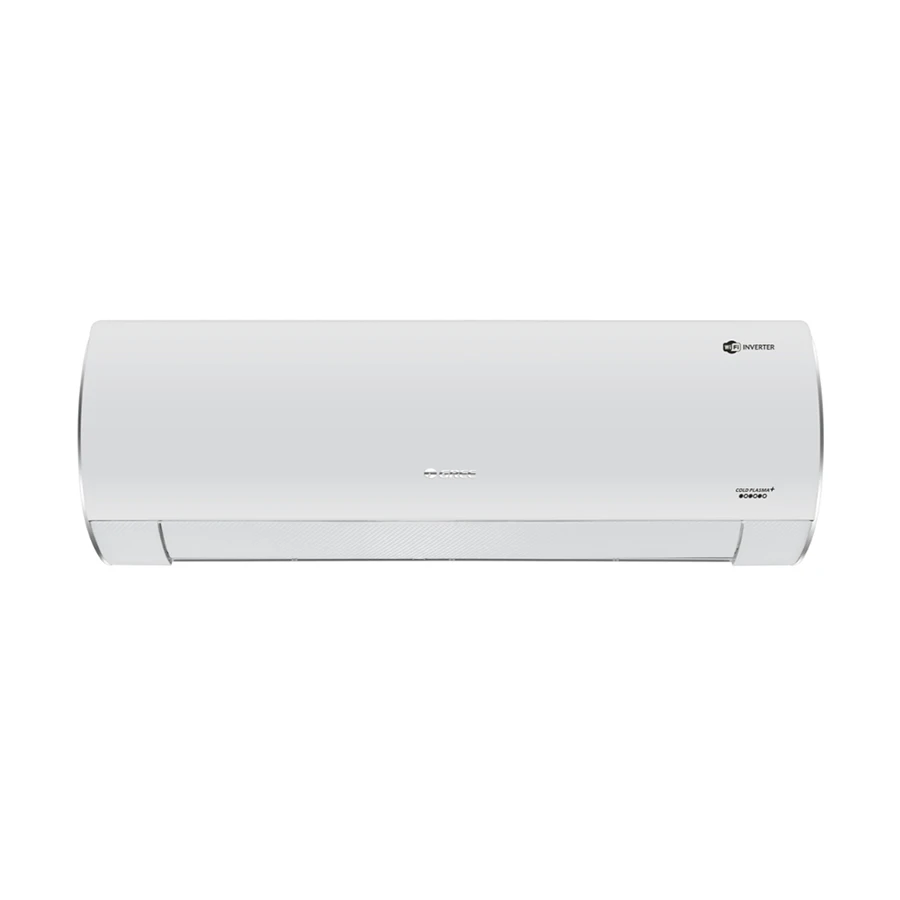
Gree 1.5 Ton Inverter Fairy Split AC
Capacity: 1.5 Ton Inverter Split Air Conditioner
Cooling Mode: Cooling Only
Color: White
Suitable For:Medium to Large Rooms
+ WHY IT'S ONE OF THE BEST
Powerful 1.5-ton inverter AC that delivers fast and energy-efficient cooling for larger spaces. It runs quietly while maintaining consistent temperature and comfortable airflow.
A multi-zone split air conditioner is designed to cool multiple rooms using a single outdoor unit connected to several indoor units. Each indoor unit can be installed in different rooms and controlled independently. So, you can set different temperatures for each space. This type of AC is ideal for homes, apartments, or offices where multiple rooms require cooling. It also saves outdoor installation space and improves energy efficiency.
Cassette Air Conditioner
A cassette air conditioner is commonly used in offices, restaurants, and large commercial spaces. The indoor unit is installed in the ceiling, usually within a false ceiling, while the panel remains visible. Cassette ACs distribute air evenly in four directions. Because the main unit is hidden in the ceiling, it maintains a clean and modern interior appearance while delivering powerful cooling performance.
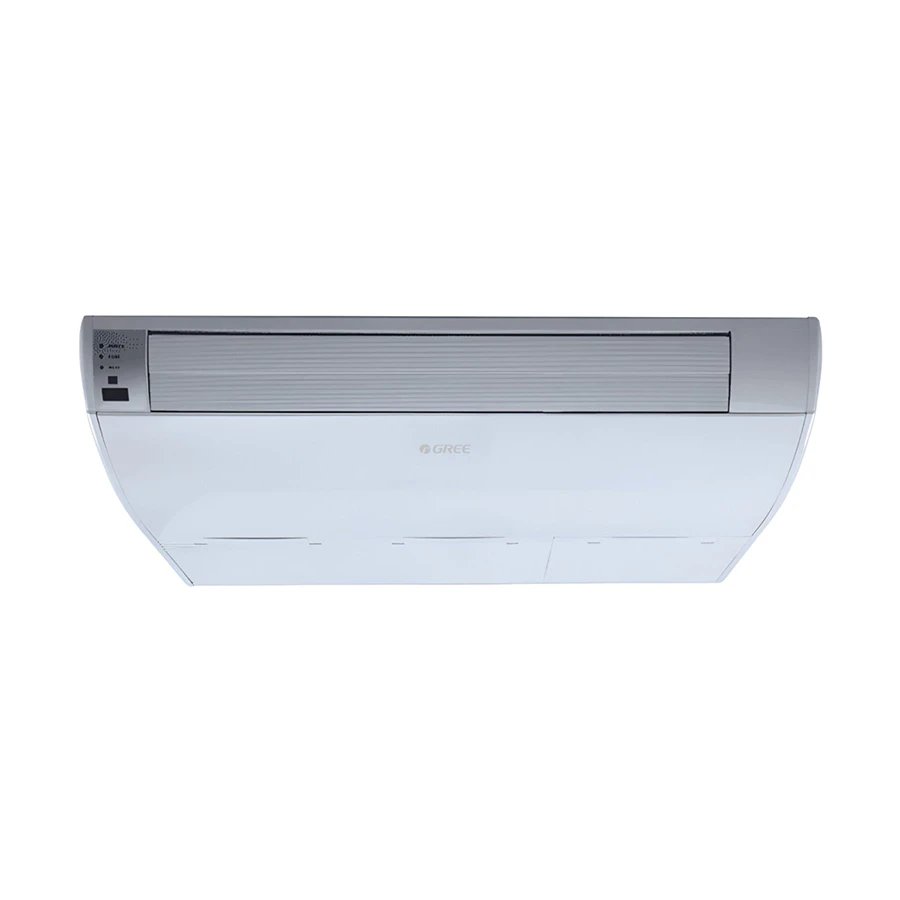
Gree 5 Ton Inverter Ceiling Type Split AC
Capacity: 5 Ton Inverter Ceiling Type Air Conditioner
Cooling Mode: Cooling Only
Color: White
Suitable For:Large Commercial Spaces, Offices, Restaurants, and Showrooms
+ WHY IT'S ONE OF THE BEST
A powerful 5-ton ceiling type AC designed for large commercial areas. It delivers strong and uniform cooling while saving energy with inverter technology.
A floor standing air conditioner is a powerful cooling system designed for large spaces such as conference halls, showrooms, and large living rooms. Unlike wall-mounted ACs, this unit stands on the floor and delivers strong airflow for rapid cooling. These air conditioners usually have higher cooling capacity. They are suitable for areas where wall installation is not practical or where large cooling coverage is required.
Choosing the Right AC Capacity (BTU / Ton)
Selecting the correct AC capacity is one of the most important factors when buying an air conditioner. If the capacity is too low for the room, the AC will struggle to cool the space properly. On the other hand, an oversized AC may cool the room too quickly without removing enough humidity, leading to inefficient operation and higher electricity consumption.
Air conditioner capacity is usually measured in BTU (British Thermal Unit) or tonnage. In simple terms, a higher BTU or tonnage means stronger cooling power. In Bangladesh, most residential air conditioners are available in 1 ton, 1.5 ton, and 2 ton capacities.
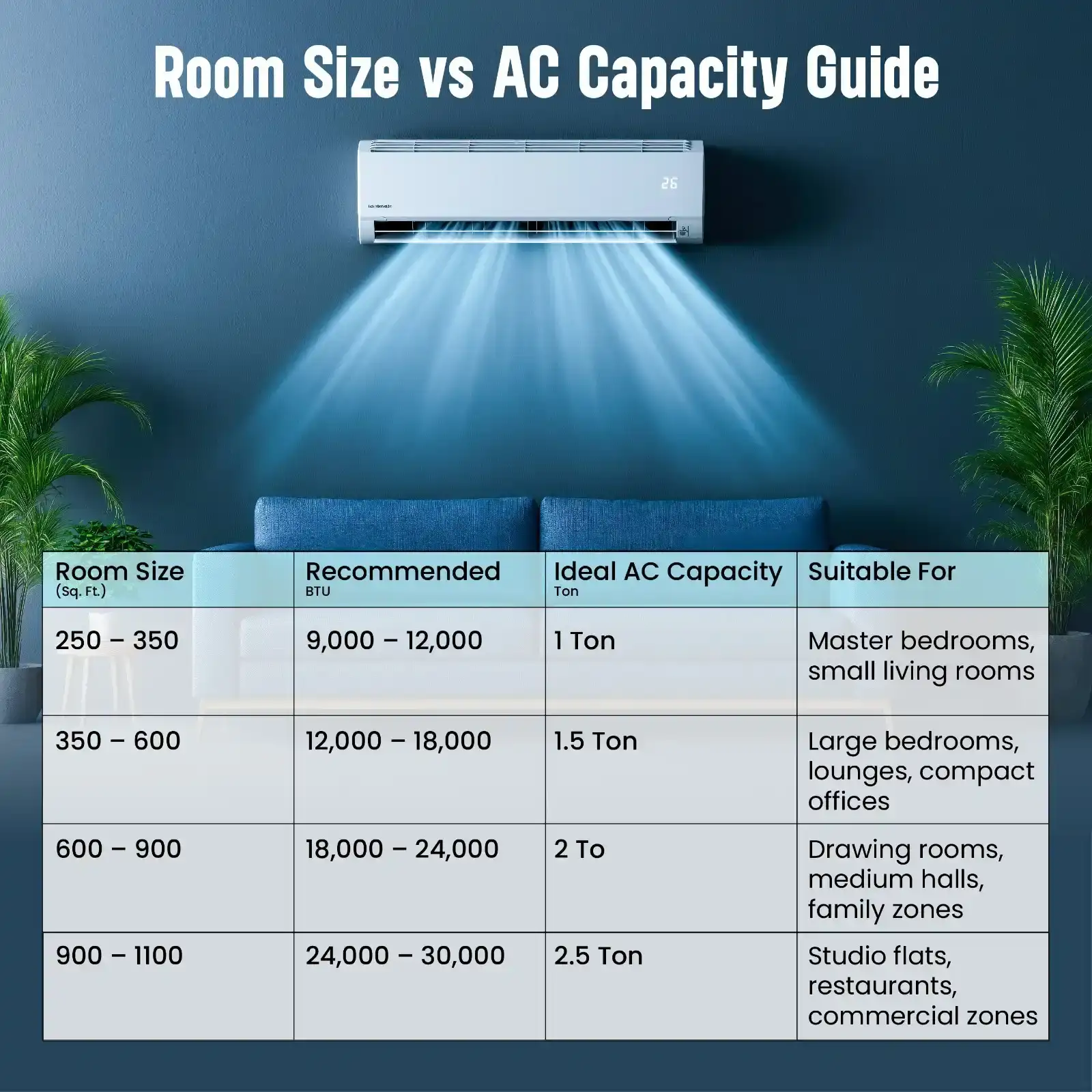
Room Size vs AC Capacity
To choose the right AC size, you should match the cooling capacity with the room area. The following table provides a general guideline:
Room Size (Sq. Ft.)
Recommended BTU
Ideal AC Capacity (Ton)
Suitable For
250 – 350
9,000 – 12,000
1 Ton
Master bedrooms, small living rooms
350 – 600
12,000 – 18,000
1.5 Ton
Large bedrooms, lounges, compact offices
600 – 900
18,000 – 24,000
2 Ton
Drawing rooms, medium halls, family zones
900 – 1100
24,000 – 30,000
2.5 Ton
Studio flats, restaurants, commercial zones
1100+
30,000+
2.5 Ton and above
Large offices, showrooms, big lounges
However, room size is not the only factor. You should also consider:
Ceiling height
Direct sunlight exposure
Number of people using the room
Insulation and ventilation
For example, a room that receives strong sunlight or has large windows may require a slightly higher capacity AC.
Inverter vs Non-Inverter Air Conditioner
The most common decision is choosing between an inverter AC and a non-inverter AC. The main difference between these two technologies lies in how the compressor operates, which directly affects electricity consumption, cooling performance, and long-term cost.
Electricity Consumption
An inverter air conditioner adjusts the speed of the compressor based on the cooling demand of the room. Instead of constantly turning on and off, the compressor runs at variable speeds to maintain the desired temperature. This helps reduce electricity consumption and makes inverter ACs more energy efficient.
In contrast, non-inverter ACs operate with a fixed-speed compressor that repeatedly turns on and off to maintain the set temperature. This frequent start-stop cycle usually consumes more electricity, especially when the AC runs for long hours.
Cooling Performance
Inverter ACs provide more stable and consistent cooling because the compressor continuously adjusts its speed to maintain the room temperature. This results in better comfort and less temperature fluctuation.
Non-inverter ACs can cool a room effectively, but the temperature may fluctuate slightly as the compressor cycles on and off during operation.
Long-Term Cost
Although inverter ACs usually have a higher initial price, they can save money over time due to lower electricity consumption. For households in Bangladesh where air conditioners often run for many hours during hot weather, the energy savings can be significant.
Non-inverter ACs are generally cheaper to purchase, which may make them suitable for users with a limited budget or for rooms where the AC is used occasionally.
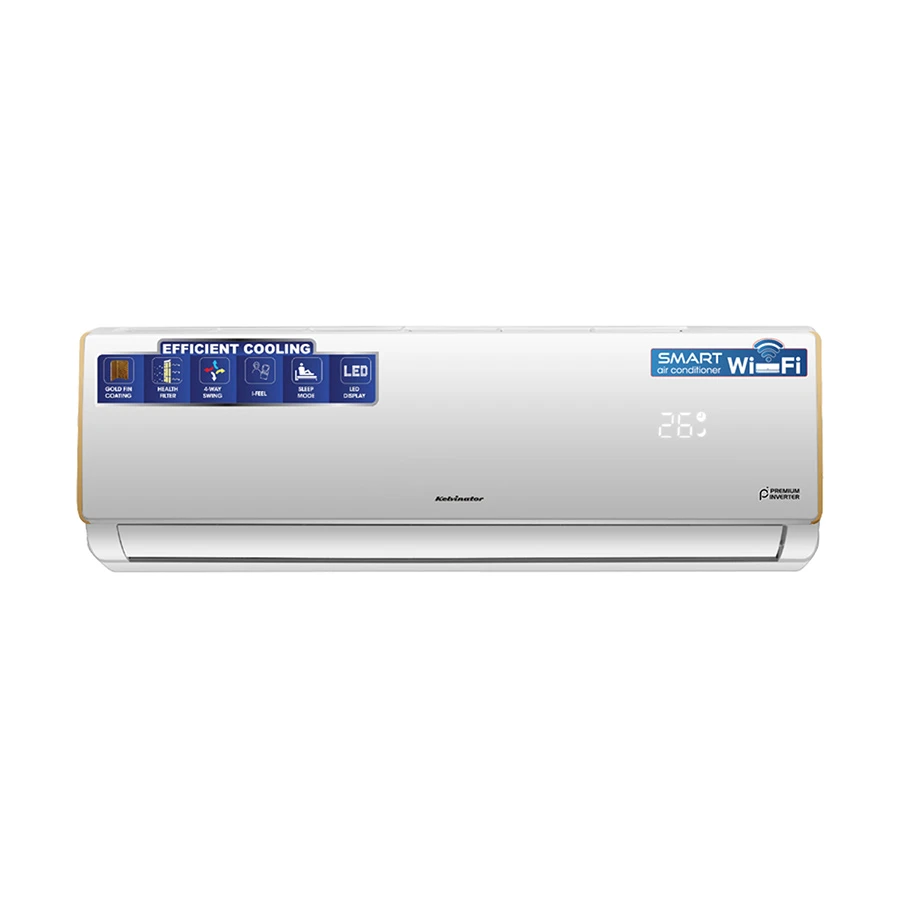
Kelvinator 1 Ton White Inverter Smart WI-FI Split AC
Capacity: 1 Ton Inverter Smart WI-FI Split Air Conditioner
Cooling Mode: Cooling Only
Color: White
Suitable For:Small to Medium Rooms
+ WHY IT'S ONE OF THE BEST
Smart Wi-Fi AC with inverter technology, 12000 BTU cooling, and reliable performance up to 50°C. A strong choice for users who want efficient cooling with app-based convenience.
Copper Coil vs Aluminum Coil: Which One Is Better?
The coil material used in the condenser and evaporator affects cooling efficiency, durability, and maintenance.
Copper coils are generally considered the better option. They provide faster heat transfer, which helps the AC cool rooms more efficiently. Copper is also stronger and easier to repair if leaks or damage occur, making maintenance simpler.
Aluminum coils, on the other hand, are lighter and usually cheaper. However, they are more difficult to repair and may be less durable over time compared to copper.
Because of their better cooling performance and durability, most premium air conditioners today use copper coils. Although they may increase the initial price slightly, copper coils often provide better long-term reliability and easier servicing.
Energy Efficiency: SEER, EER & Star Ratings
An energy-efficient model can significantly reduce electricity consumption and long-term operating costs. Two common measurements used to evaluate AC efficiency are SEER (Seasonal Energy Efficiency Ratio) and EER (Energy Efficiency Ratio). These ratings indicate how efficiently an air conditioner converts electricity into cooling power. In general, higher SEER or EER ratings mean better energy efficiency and lower electricity usage.
Many modern inverter air conditioners are designed with higher efficiency ratings, helping users maintain comfortable cooling while consuming less power. Although energy-efficient ACs may have a slightly higher purchase price, they can provide noticeable savings on electricity bills over time, making them a smart investment for long-term use.
Important Features of Air Conditioner
Modern air conditioners include several smart features that improve comfort and convenience.
WiFi Smart Control
A Smart AC or WiFi AC help to control temperature and settings through a smartphone app. This is useful for adjusting cooling remotely or scheduling operation times. You can turn the AC on before arriving home or monitor energy usage through the mobile app. It also allows integration with smart home systems for more convenient control.
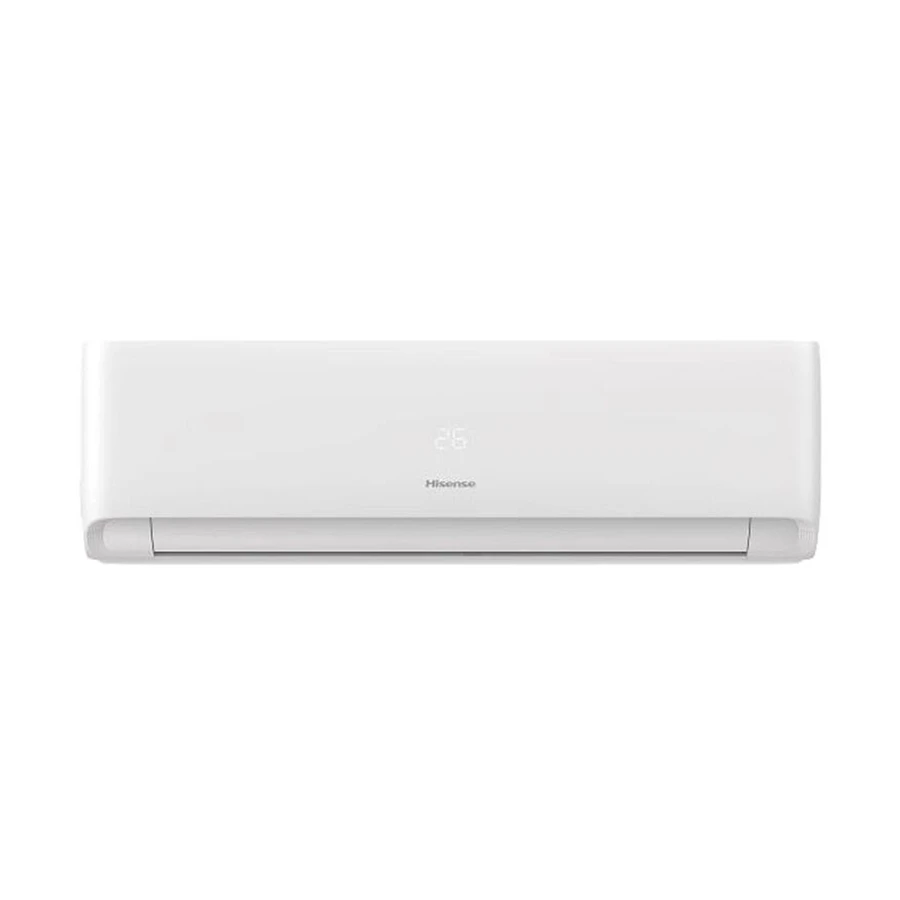
Hisense 1.5 Ton White Smart Comfort Non-Inverter Split AC
Capacity: 1.5 Ton Split Air Conditioner
Cooling Mode: Cooling Only
Color: White
Suitable For:Medium to Large Rooms
+ WHY IT'S ONE OF THE BEST
A reliable 1.5-ton AC that delivers strong and consistent cooling for medium-sized rooms. It offers efficient performance with simple operation for everyday comfort.
Sleep mode automatically adjusts temperature during the night to maintain comfort while reducing power consumption. The AC gradually increases the temperature after you fall asleep so that the room does not become too cold. This feature helps improve sleeping comfort and also reduces electricity usage.
Dry Mode (Dehumidifier)
Dry mode reduces indoor humidity without excessive cooling. In humid regions like Bangladesh, this feature improves comfort by removing excess moisture from the air. It works like a mild dehumidifier and helps prevent dampness, mold growth, and sticky indoor air.
Auto Mode
Auto mode automatically adjusts cooling speed, airflow, and temperature settings depending on room conditions. The air conditioner continuously monitors the room temperature and adjusts its operation accordingly. This ensures consistent cooling while maintaining better energy efficiency.
Air Filters
Advanced air filters remove dust, pollen, and pollutants from indoor air, improving air quality and health. Some modern ACs include antibacterial or HEPA filters that help reduce allergens and airborne particles. Clean filters also improve airflow and maintain better cooling performance.
Noise Level
AC noise levels vary depending on model and technology. A comfortable air conditioner should operate quietly, especially in bedrooms. Lower decibel levels usually indicate quieter operation.
Which Air Conditioner Brand is Best?
Several trusted brands offer reliable air conditioners in Bangladesh, providing a wide range of models with different capacities, technologies, and price points.
Brands like LG, General, Gree, Haier, Hisense, Kelvinator, and Singer are among the most popular choices in Bangladesh. These manufacturers offer advanced inverter technology, high energy efficiency ratings, smart features, and long-lasting compressors.
Some brands focus on premium energy efficiency and advanced technology, while others offer more affordable options with solid cooling performance. Choosing a trusted brand ensures better product reliability, warranty support, and long-term service availability.
Conclusion
Choosing the right air conditioner requires careful consideration of several factors including AC type, cooling capacity, inverter technology, energy efficiency ratings, and useful features. Understanding how an air conditioner works and how to calculate the correct AC size helps ensure comfortable cooling while controlling electricity costs.
For buyers in Bangladesh, selecting a trusted brand with good cooling efficiency, durable compressor performance, and reliable after-sales support is also important.
If you are planning to buy a new AC, the home appliance section of Ryans Computers offers a wide selection of air conditioners from leading brands with competitive prices. If you need an inverter AC for a bedroom or a powerful cooling solution for a larger space,Ryans provides reliable options to help you stay cool and comfortable throughout the summer.
FAQs
What size air conditioner do I need for my room?
The AC size depends on the room area. For example, a room up to 120 square feet usually requires a 1 Ton AC, while larger rooms may need a 1.5 or 2 Ton unit.
What is the difference between inverter and non-inverter AC?
Inverter ACs adjust compressor speed to maintain stable cooling and reduce electricity consumption, while non-inverter ACs turn the compressor on and off repeatedly.
Which air conditioner consumes the least electricity?
Air conditioners with inverter technology and higher SEER or EER ratings typically consume the least electricity.
What is the best temperature to set an air conditioner?
Most experts recommend setting the thermostat around 24–26°C for comfortable cooling and energy efficiency.
What is dry mode in air conditioner?
Dry mode reduces humidity in the room by removing moisture from the air while maintaining moderate cooling.
How often should an air conditioner be serviced?
ACs should typically be serviced at least once or twice a year to maintain cooling performance and extend lifespan.
What is a good EER rating for an air conditioner?
An EER rating above 10 or higher is generally considered energy efficient and suitable for reducing electricity costs.









Leave a comment