In Bangladesh, power outages can happen without warning. When this happens, your work and comfort can be greatly affected. Having a reliable energy backup is now a must for every home. Choosing the right technology can be tough. Whether you work from home or simply want to keep your devices running, making the right choice is crucial. The right backup power solution starts with understanding what sets Portable Power Stations, UPS units, and Generators apart both technically and practically. We aim to make choosing easier for you. By comparing these energy solutions, you can pick the best one for your home. This ensures your household runs smoothly, even during outages.
Key Takeaways
- Frequent power outages in Bangladesh make backup systems essential for daily life.
- Choosing the right technology depends on your specific energy consumption needs.
- Portable units offer flexibility for those who need mobility and quick setup.
- Traditional systems provide high output for heavy household appliances.
- Understanding the maintenance requirements of each option saves you money long-term.
- Reliable backup solutions ensure your work and home comfort remain uninterrupted.
Load Shedding and Voltage Fluctuations In Bangladesh
Load shedding is a big problem in many places. It causes interruptions and frustration. Voltage fluctuations also harm your appliances.
These sudden changes can damage your electronics. This means you might have to replace them too soon. Here's a table showing common power issues and their effects on your tech.
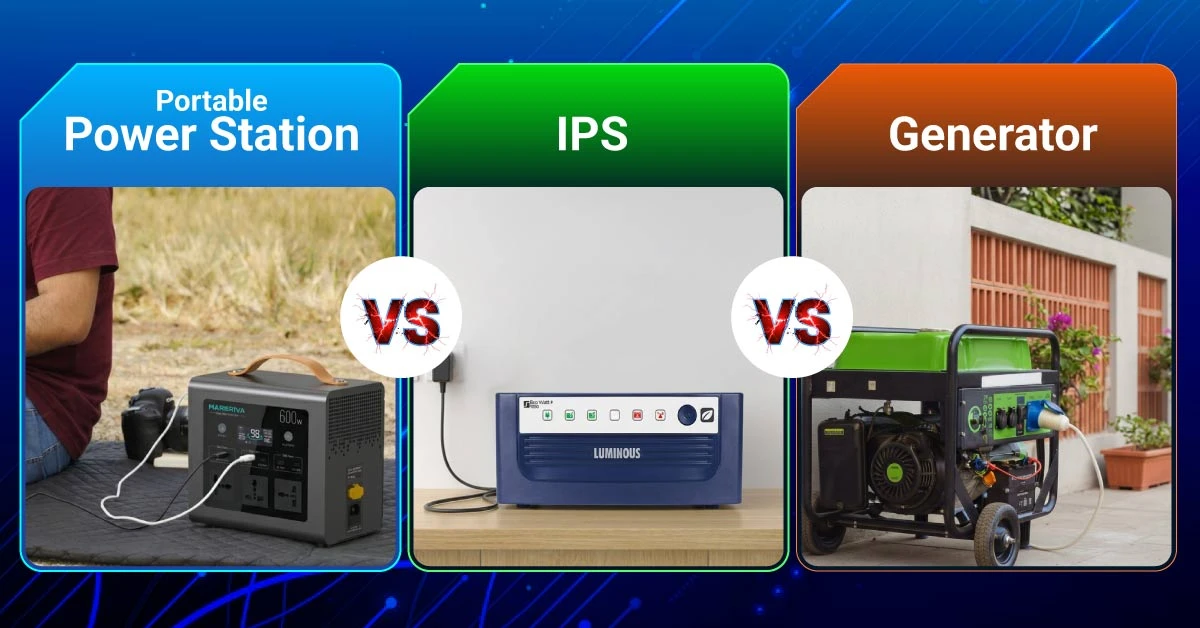
Portable Power Station vs IPS vs Generator: A Comparative Analysis
Many homeowners face a tough choice between a Portable Power Station vs IPS vs Generator. Each system has its own unique needs. Understanding how they work is key to picking the right backup power solution for Bangladesh.
Core Differences in Technology and Energy Storage
The main differences between IPS and generator systems are in their energy source and how they convert it. An IPS uses deep-cycle batteries to store electricity. It then changes DC to AC power when the grid fails. On the other hand, a generator burns fuel like diesel or petrol to make electricity on demand.
Portable power stations are a modern alternative. They use lithium-ion batteries for energy storage. This makes them clean and silent, unlike traditional fuel-based systems. When you compare portable power options, you'll see they're great for sensitive electronics but not for heavy-duty appliances.
Portability and Installation Requirements
Installation needs differ a lot among these three. An IPS needs a permanent connection to your home's electrical circuit. It's a fixed unit. Generators are big and heavy, needing outdoor placement and professional setup for safety and ventilation.
Portable power stations are super flexible. You can move them easily without complex wiring. Their plug-and-play design makes them easy to use for quick, hassle-free power.
Maintenance Needs and Long-term Reliability
Keeping your backup system in good shape is crucial. Generators need the most care, with regular oil changes and filter replacements. IPS units are easier to maintain, but you must check battery water levels in lead-acid models.
Portable power stations are almost maintenance-free. They don't have moving parts or combustion engines, so no oil or fuel is needed. Still, keep them charged to keep the battery healthy for years.
- IPS: Best for consistent, low-wattage home needs.
- Generator: Ideal for heavy-duty, long-duration power requirements.
- Portable Power Station: Perfect for flexibility and emergency charging of small devices.
Portable Power Station vs IPS vs Generator
Everything You Need to Know About IPS Systems for Your Home
Instant Power Supply (IPS) systems are a reliable choice for many homes in Bangladesh. They ensure your important electronics keep working even when the power goes out.
IPS systems convert DC energy into AC power. This makes them a quiet and easy-to-use option for homes.
How IPS Units Function with Lead-Acid or Lithium Batteries
The heart of an IPS is its battery bank. This determines how long your devices will run. Traditional IPS systems use lead-acid batteries, which are cheap and easy to find.
But modern IPS systems are moving to lithium-ion technology. Lithium batteries last longer and charge faster than lead-acid ones.
Advantages of IPS for Low-Wattage Appliances
One big benefit of using IPS over generators is the lack of noise and fumes. IPS systems are great for low-wattage items like LED lights and internet routers.
They are also quiet, making them perfect for bedrooms and study areas. You can relax even when the power is out.
Limitations Regarding High-Power Equipment
IPS systems are not ideal for heavy appliances such as air conditioners, refrigerators, microwave ovens, or large motors. High-power equipment can drain the battery quickly and may overload the system.
Can a Generator Handle Your Power Needs?
When your power needs are more than what standard home backups can handle, generators are the ultimate heavy-duty solution. These machines can handle high demands for a long time. They are great for small businesses or large homes, as long as you know what you need.
Diesel vs Petrol Generators for Commercial and Home Use
Choosing between diesel and petrol generators depends on your energy use and budget. Diesel generators are more fuel-efficient and last longer, perfect for constant use. They're best for businesses where reliability is key.
Petrol generators are cheaper to buy and start in cold weather. But, they use more fuel and need more upkeep. Here's a table to help you choose:
Performance Capabilities During Extended Outages
Generators shine when the power is out for days or weeks. They provide consistent power as long as you have fuel. This is crucial for equipment that can't stop working.
Keeping your generator in good shape is key. Make sure fuel is stored safely and the engine gets regular mechanical servicing. Skipping these steps can cause problems when you need power most.
Noise Levels and Environmental Considerations in Urban Areas
In cities like Dhaka, using a generator is tricky. Most models are loud, disturbing neighbors. A soundproof enclosure can help a lot.
Also, think about exhaust emissions for the environment. Place your generator in a well-ventilated spot to avoid harmful fumes. Choose low-emission models to meet your power needs without harming the environment.
The Rise of Portable Power Stations in the Local Market
A new energy technology is changing Bangladesh, offering a clean way to power up during outages. Homeowners are ditching noisy, heavy generators for quiet, compact options. These devices offer a modern solution for those who want convenience and care for the environment.
Key Features of Modern Portable Power Stations
The features of portable power stations cater to today's tech lovers. They have many output ports like AC outlets, USB-C fast charging, and DC car ports. This lets you charge everything from phones and laptops to small appliances at once.
These top-rated portable energy solutions have advanced battery systems. These systems keep your devices safe from voltage spikes and overheating. Plus, they're light, so you can move them around easily without needing a pro.
Solar Compatibility and Eco-Friendly Charging
One cool thing about these units is their solar charging. Many models can charge using Bangladesh's sunlight. This makes them an eco-friendly alternative to dirty, expensive generators.
Using solar panels, you can keep power flowing even when the grid fails. This green choice cuts down on carbon emissions and saves money on fuel. It's a wise choice for anyone wanting a reliable home energy setup.
Best Use Cases for Outdoor and Emergency Situations
These units are the best portable power source for both work and fun. They're great for outdoor lovers who need power for camping or photography. No need to find a wall outlet when exploring Bangladesh's beauty.
In emergencies, these stations are a lifeline for your essential home electronics. They provide quick, quiet power for fans, lights, and medical gear during blackouts. Their simplicity means you can keep your family safe and connected, even in stressful times.
Conclusion
Choosing the right energy solution is all about understanding your daily habits and power needs. You might pick a portable power station, an IPS, or a generator. Your choice affects your home comfort in Bangladesh.
Consider what appliances you need during a blackout. Small devices usually work fine with lithium-based portable units. But, if you have a big home with lots of cooling needs, a diesel or petrol generator might be better.
Money matters too. IPS systems are a good choice for many families. They keep lights and fans on without the noise of a combustion engine.
Before buying, check how much power your essential electronics use. Look at the wattage labels. This helps avoid spending too much on equipment you don't really need.
Having reliable power makes your home a happier place. Pick a system that fits your lifestyle and local power conditions. Your choice today will make tomorrow brighter for your family.
FAQ
What are the primary differences between ips and generator systems for home use?
The main differences between IPS and generator systems are fuel and speed. IPS systems, like those from Luminous or Rahimafrooz, use batteries for quick power when the grid fails. They are silent and safe indoors.
Generators, from brands like Honda or Yamaha, run on petrol or diesel. They offer more power for heavy appliances but are loud, emit fumes, and need manual starting or an expensive switch.
How do I choose between a portable power station vs ips vs generator for local load shedding?
Your choice depends on your needs. For basic needs like lights and fans, an IPS is cost-effective in Bangladesh. For a versatile, plug-and-play solution with modern ports, a portable power station is best. EcoFlow or Bluetti offers lithium-ion efficiency. Generators are powerful but high-maintenance for long outages.
What are the key features of portable power stations compared to traditional backup systems?
Portable power stations stand out for their all-in-one design. They integrate an inverter, battery, and charge controller in one unit. Unlike IPS, which needs external wiring and bulky batteries, they offer USB-C PD ports, AC outlets, and DC car ports. They are also solar-ready, making them a top choice for energy solutions.
What are the specific benefits of using IPS over a generator in an urban apartment?
Using IPS in Dhaka's urban apartments offers silent operation and no emissions. IPS runs on stored battery power, safe indoors. Generators need outdoor ventilation for carbon monoxide and often break noise laws. IPS ensures a smooth transition, keeping your devices online during power flickers.
Can I compare portable power options for both home backup and outdoor activities?
Yes! Portable power stations are versatile for both home and outdoor use. IPS is fixed to your home's wiring, and generators are heavy. A portable power station like the EcoFlow Delta is mobile. It keeps your fridge running at home and powers your gadgets outdoors, offering clean energy wherever you go..
Which technology provides the best portable power source for sensitive electronics?
For sensitive electronics, pure sine wave inverters are key. High-quality IPS units and modern portable power stations (like Anker or Bluetti) offer this clean power.Standard generators can produce dirty power, damaging circuits, unless you get an expensive inverter generator.
Are portable power stations more expensive than an IPS in the long run?
Portable power stations are initially more expensive than IPS. However, they use LiFePO4 batteries lasting over 3,000 cycles (up to 10 years).Traditional IPS systems use lead-acid batteries needing replacement every 2 to 3 years. Portable power stations offer portability, less maintenance, and longer lifespan, making them a better long-term investment.








Leave a comment