Summer heat in Bangladesh can make it harder for your PC to stay cool, especially when the room is hot or the computer has poor airflow. Dust, blocked vents, and inadequate cooling can also raise temperatures during gaming, editing, and everyday work. Here are 10 practical ways to keep your PC cool and running properly throughout the summer.
How to Know If Your PC Is Overheating
Before changing any hardware, check your CPU and GPU temperatures using your BIOS or a reliable hardware monitoring application. Compare the readings during normal use and heavy workloads. Unusually loud fans, reduced performance, thermal throttling, or unexpected shutdowns can indicate a cooling problem. Remember that normal operating temperatures vary between processors and graphics cards, so check your hardware manufacturer's specifications rather than relying on one fixed temperature.
10 Ways to Keep Your PC Cool in Summer
1. Clean Dust From Your PC
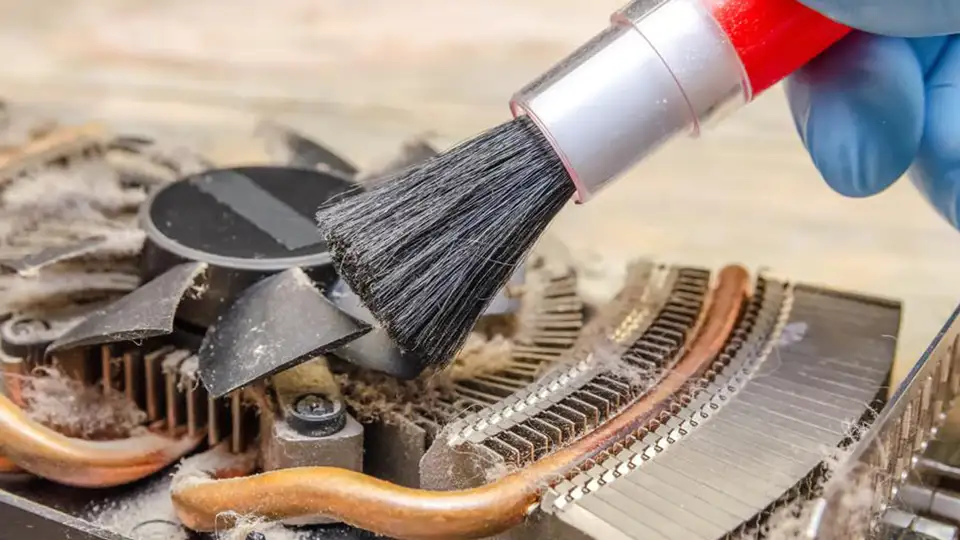
Dust buildup can block ventilation and reduce cooling efficiency. Check your PC's fans, dust filters, and air vents regularly. Before cleaning, shut down the computer and disconnect the power. Use a soft brush or suitable compressed air to remove dust gently. Hold fan blades stationary while cleaning, and avoid directing powerful air blowers at delicate components.
Thermal paste helps transfer heat from the processor to the CPU cooler. It does not need to be replaced every summer or automatically after two years. Good-quality thermal paste can remain effective for several years.
If your CPU temperature stays unusually high despite proper cleaning and airflow, check whether the cooler is mounted correctly and whether the thermal paste needs replacing. When reinstalling a cooler, clean the old compound and apply fresh thermal paste according to the product instructions. Seek professional assistance if you are unfamiliar with the process.
Proper thermal paste application helps transfer heat to the CPU cooler.
3. Keep Your PC Away From Direct Sunlight and Excessive Dust
Placing your PC beside a window with direct sunlight can increase the heat around your system. Open windows may also allow more dust to enter the case, depending on your surroundings. Keep the computer in a clean, well-ventilated area away from direct sunlight, hot exhaust air, and excessive dust.
4. Give Your PC Enough Ventilation Space
A desktop PC needs unobstructed airflow to release heat. Avoid placing the casing inside a tightly enclosed cabinet or directly against a wall that blocks its exhaust vents. Leave enough clearance around the intake and exhaust openings based on your casing design. Also, avoid placing cases with bottom air intakes directly on thick carpets.
5. Avoid Unnecessary Overclocking
Overclocking increases a processor's or graphics card's operating speed beyond its default settings and can increase heat generation and power consumption. If your PC already runs hot during summer, consider returning to stable default settings or adjusting supported power limits. Properly configured overclocking is not automatically harmful, but adequate cooling and system stability are essential.
6. Keep Your PC Case Properly Assembled
Removing a PC's side panel can sometimes reduce temperatures, but the result depends on the case design and existing airflow. An open case also exposes internal components to more dust and accidental contact. For regular use, a properly assembled case with unobstructed ventilation and correctly installed fans is generally preferable. If opening the panel makes a large difference, investigate the case airflow.
7. Upgrade Your CPU Cooler When Necessary
If your CPU repeatedly reaches its thermal limits despite cleaning, proper installation, and sufficient airflow, the existing cooler may not be suitable for your processor. A good air cooler can handle many everyday and gaming systems, while some high-performance processors benefit from larger cooling solutions.
Before buying a new CPU cooler, check processor compatibility, cooling capacity, casing clearance, and installation requirements.
8. Improve Airflow With Casing Fans
Properly positioned casing fans help move cool air into the PC and release warm air. A common arrangement uses front fans for intake and rear fans for exhaust. Some cases also support top exhaust fans. The ideal setup depends on your case design, existing cooling components, and available mounting positions.
If your casing has inadequate ventilation, adding suitable casing fans can improve airflow. Check fan size, airflow direction, motherboard connections, and dust filters before installation.
9. Check Your Power Supply Ventilation
Your power supply unit (PSU) also needs adequate ventilation. Make sure its external air vents are not blocked by dust, cables, or nearby surfaces. Some modern power supplies have a zero-RPM mode, meaning their fans may stop spinning under light loads. This is not necessarily a fault.
Never open the PSU casing or attempt to clean its internal components. Power supplies can retain dangerous electrical charges even after being unplugged. If you notice unusual noises, overheating, or other signs of PSU failure, consult a qualified technician.
10. Consider Liquid Cooling for Demanding Workloads
Liquid cooling can be useful for high-performance processors running demanding tasks such as rendering, simulations, and extended computational workloads. An all-in-one (AIO) liquid cooler may offer additional cooling capacity, depending on its radiator size, design, and installation.
However, liquid cooling is not necessary simply because your PC runs for long hours. A capable air cooler may provide sufficient performance with simpler maintenance. Consider your processor's cooling requirements, budget, casing compatibility, and long-term reliability before choosing between air and liquid cooling.
Frequently Asked Questions
What CPU temperature is too high during gaming?
It depends on your processor. Different CPUs have different operating limits, and temperatures normally rise under heavy workloads. Check your CPU manufacturer's maximum operating temperature and investigate repeated thermal throttling or unexpected shutdowns.
Does an air-conditioned room help keep a PC cool?
Yes. Lower room temperatures generally help a computer's cooling system release heat more effectively. However, air conditioning cannot compensate for blocked vents, failed fans, or an improperly installed CPU cooler.
Why does my PC still overheat after cleaning?
Possible causes include poor case airflow, an incorrectly mounted CPU cooler, insufficient cooling capacity, a malfunctioning fan, or unusually high room temperatures. Monitor the CPU and GPU separately to identify which component is running too hot.
Final Thoughts
Keeping your PC cool during Bangladesh's summer does not always require expensive hardware upgrades. Start by monitoring temperatures, cleaning dust, and improving ventilation. If the system still overheats, check the existing cooler and airflow before deciding whether additional fans or a cooling upgrade are necessary.















Leave a comment